Skip to content
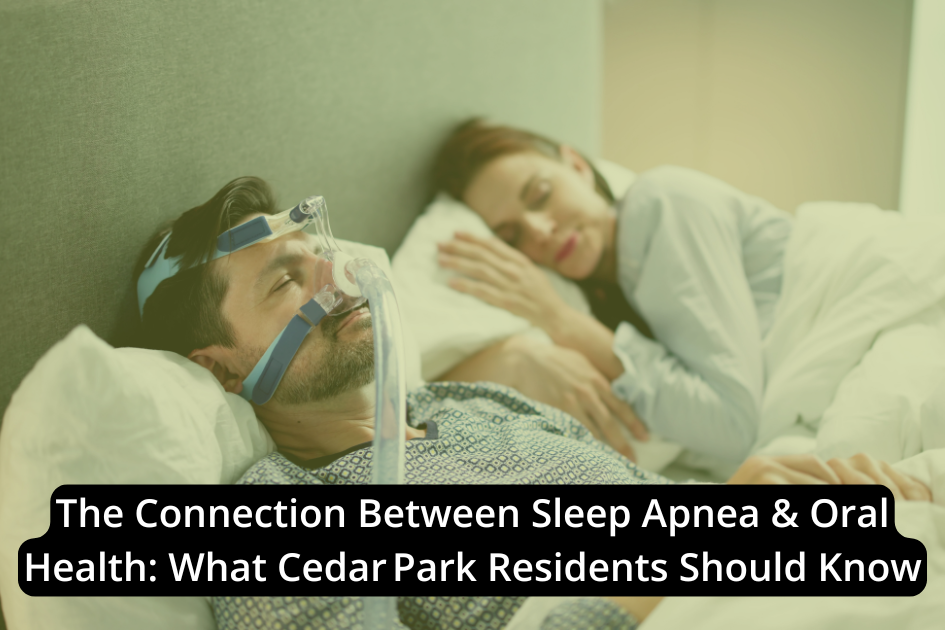
Up to 80% of moderate to severe sleep apnea cases go undiagnosed, and our mouths often show the earliest clues. We see dry mouth, cavities, inflamed gums, and tooth wear that track with fragmented sleep and low oxygen. Mouth breathing and bruxism compound damage, while poor sleep slows healing. We can spot scalloped tongues and worn enamel before other symptoms surface. Let’s connect these oral signs to practical steps that protect teeth and support airway health.
How Sleep Apnea Impacts Your Mouth and Gums
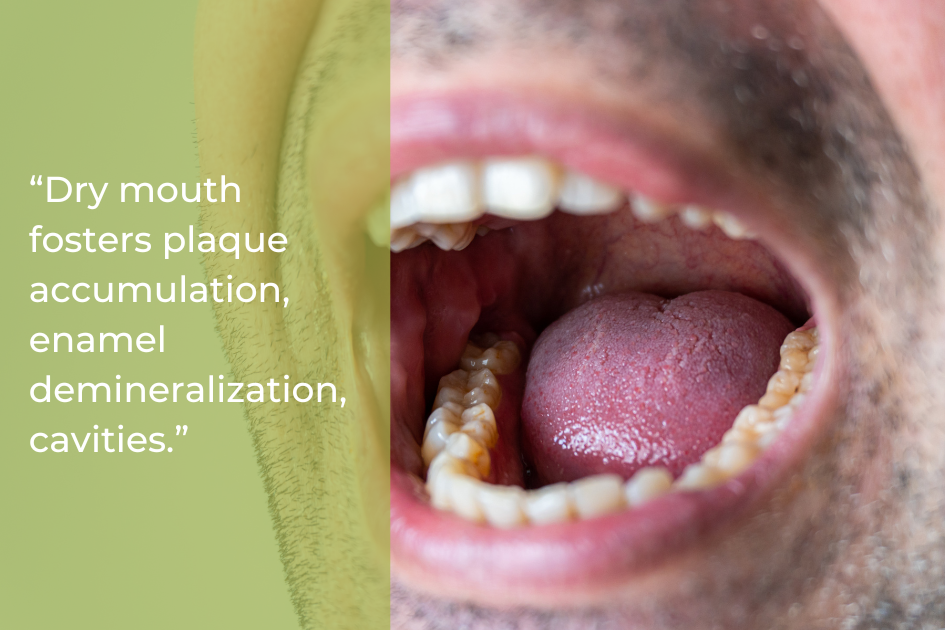
Although sleep apnea is primarily a breathing disorder, it can directly affect your mouth and gums. When airflow collapses, we often mouth-breathe, reducing saliva’s protective buffering. Dry mouth fosters plaque accumulation, enamel demineralization, cavities, and gum inflammation. Fragmented sleep alters immune function and elevates inflammatory markers, increasing periodontal disease risk and slowing healing. Nighttime oxygen drops may also impair blood flow to oral tissues. Teeth grinding commonly co-occurs, leading to enamel wear, fractures, and jaw soreness. Together, these factors heighten sensitivity and infection risk. With appropriate diagnosis and therapy, including oral appliance treatment, we can restore moisture balance and protect oral health.
Signs in Your Mouth That May Point to Sleep Apnea
Curious what your mouth might reveal about your sleep? We look for patterns linked to sleep apnea. Scalloped tongue edges can reflect nighttime pressure from a restricted airway. A coated or inflamed tongue, enlarged tonsillar area, and red, irritated throat may indicate snoring-related vibration. We often see dental wear (attrition) from sleep bruxism, fractured cusps, or abfractions near the gumline. Receding gums and clenching-related muscle tenderness can coexist with fragmented sleep. A high-arched palate, retrognathic jaw posture, or enlarged uvula can narrow the airway. If these signs appear together, we recommend screening and collaborating with your physician for diagnostic testing.
The Role of Mouth Breathing in Dry Mouth and Decay
When we breathe through our mouths, especially at night, saliva evaporates, and the oral environment shifts toward dryness that favors cavity-causing bacteria. Saliva buffers acids, delivers minerals like calcium and phosphate, and helps control harmful microbes. With mouth breathing, pH drops, plaque matures faster, and enamel demineralizes, increasing the risk for cavities and gingivitis. We often see morning halitosis, sticky plaque, and sore tissues as clinical clues. If sleep apnea contributes, targeted therapy and humidification can help. We also recommend fluoride, xylitol, adequate hydration, nasal hygiene, and consistent cleanings. Together, we can protect enamel, stabilize gums, and reduce decay risk while sleeping.
Bruxism, Tooth Wear, and Nighttime Breathing Disruptions
Because the airway and jaw muscles are closely linked, nighttime breathing disruptions often trigger bruxism, a stress response that tightens the jaw and grinds teeth to stabilize airflow. We see this in patients with snoring or suspected sleep apnea: micro-arousals cue clenching, leading to enamel wear, fractures, and morning jaw soreness. We assess wear facets, abfractions, tongue scalloping, and masseter hypertrophy as clinical markers. Left unchecked, bruxism accelerates sensitivity and shortens teeth. We discuss protective strategies, custom nightguards when appropriate, and, fundamentally, evaluation for airway obstruction. Addressing the breathing problem typically reduces grinding frequency and protects teeth while improving sleep continuity.
Gum Inflammation, Oxygen Levels, and Systemic Effects
Although sleep apnea starts as a breathing disorder, it quickly involves the gums and the rest of the body. When oxygen levels drop repeatedly, inflammatory pathways activate. We often see swollen, bleeding gums and slower healing, even with good home care. Intermittent hypoxia alters oral bacteria, raising periodontitis risk. Systemically, the same inflammation contributes to hypertension, insulin resistance, and vascular dysfunction.
We assess gums for pocket depth, bleeding, and bone loss, while reviewing sleep symptoms like snoring and morning fatigue. Treating apnea and periodontal disease together reduces bacterial load and inflammation. With coordinated care and consistent follow-up, patients typically feel better and protect their long-term health.
TMJ Stress and Jaw Position in Airway Health
Even subtle shifts in jaw position can strain the temporomandibular joint (TMJ) and narrow the airway during sleep. When the jaw retrudes, the tongue follows, reducing space behind the soft palate. That restriction increases negative pressure, promoting snoring and micro‑arousals. We look for signs of joint overload and airway compromise together, because they often coexist.
- Nighttime clenching loading the joint
- A clicking TMJ with morning stiffness
- A scalloped tongue from lateral pressure
- Forward head posture compensating for airflow
- Dry mouth from mouth‑breathing
We assess bite, range of motion, and airway dimensions, then guide you toward habits and positions that reduce strain and support stable breathing.
Oral Appliances: Protecting Teeth While Opening the Airway
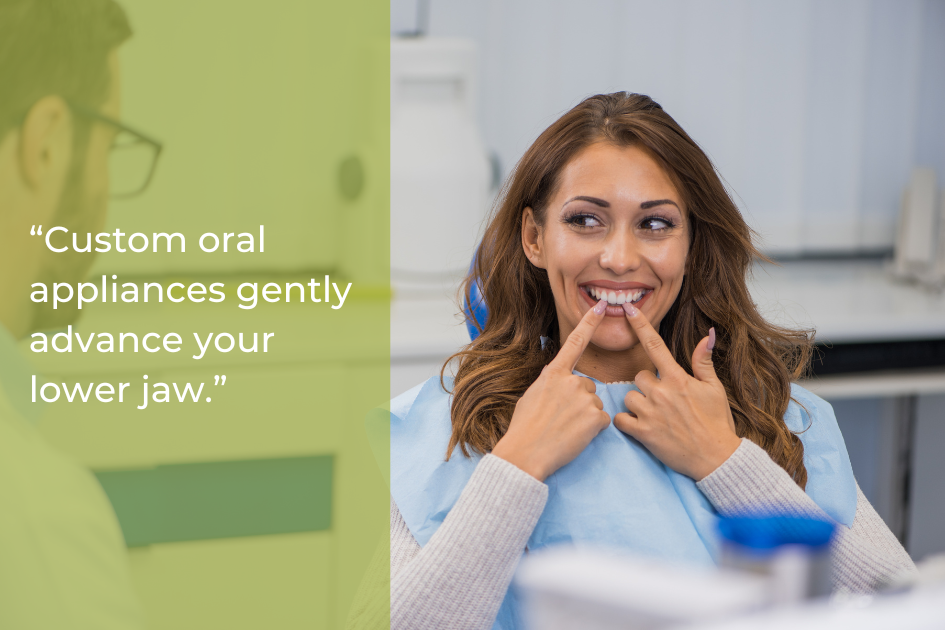
Precision matters. We design custom oral appliances that gently advance your lower jaw and support the tongue, increasing airway space while shielding teeth from grinding forces. By stabilizing the bite, these devices reduce enamel wear, fractures, and gum irritation often linked to nocturnal bruxism and mouth breathing.
We start with digital scans for exact fit, then fine-tune protrusion and vertical dimension to balance airflow, comfort, and joint health. Most patients notice better sleep within 1–2 weeks. Minimal, temporary soreness is typical. Consistent follow-up guarantees efficacy, monitors TMJ response, and protects dental structures, helping you breathe easier without sacrificing your smile’s integrity.
Comparing Oral Appliance Therapy and CPAP for Dental Health
Building on how custom oral appliances can open the airway and protect teeth, we’ll contrast them with CPAP through a dental lens. Oral appliance therapy often improves sleep within 1–2 weeks and avoids mask-related issues. CPAP remains the gold standard for severe apnea, but it can cause oral dryness and mask pressure points. For mild to moderate cases, appliances show comparable effectiveness with higher adherence and better dental comfort.
- A quiet bedside table, no hoses
- Lips sealed, less mouth breathing, fewer cavities
- Stable jaw position, reduced clenching forces
- Healthy gums without strap irritation
- Compact case ready for travel
We’ll match therapy to diagnosis, severity, and dental anatomy.
What Your Dentist Looks For During a Sleep-Related Exam
While we review your medical and sleep history, we perform a focused oral and airway exam to identify signs linked to sleep-disordered breathing. We assess neck circumference, nasal patency, and tongue size (Mallampati score). We inspect soft palate length, uvula shape, tonsil size, and airway crowding. We evaluate jaw position, bite class, overjet, crossbite, and palatal vault. We look for bruxism wear, abrasions, scalloped tongue edges, xerostomia, inflamed gums, and acid erosion, suggesting reflux. We palpate TMJs and muscles for tenderness. When indicated, we correlate findings with prior sleep studies and discuss whether oral appliance therapy may be appropriate.
Steps to Improve Oral Health While Managing Sleep Apnea
Because sleep apnea and oral health influence each other, we prioritize habits that protect your mouth and support airway therapy. We’ll pair your oral appliance care with preventive strategies that limit dry mouth, inflammation, and enamel wear. Consistent routines improve comfort and outcomes within weeks.
- Brush with fluoride toothpaste nightly before inserting your appliance; floss to reduce inflammatory biofilm.
- Rinse with alcohol-free xylitol mouthwash to boost saliva and lower cavity risk.
- Use a humidifier and nasal saline to counter mouth–breathing–related dryness.
- Clean and dry your appliance daily; schedule adjustments for fit.
- Limit late sugar, avoid alcohol, and hydrate well.
Conclusion
Together, we can spot subtle signs, stop silent strain, and safeguard smiles. Sleep apnea and oral health share strong, science-backed links, including dry mouth, decay, grinding, and gum inflammation. When we screen, specify risks, and select the right support, whether oral appliances, CPAP, or combined care, we protect teeth while promoting healthier breathing. Let’s prioritize precise diagnosis, preventive practices, and partnered follow-up. Small, steady steps like saliva support, splint use, and nasal hygiene strengthen stability. At Park Family Dental in Cedar Park, TX, we’re committed to thorough, coordinated care that restores rest and preserves your oral health. Ready to get started? Book a sleep and oral health screening today, or reach out to our team at Park Family Dental to discuss your symptoms and treatment options.