Skip to content

Most people don’t realize that Invisalign outcomes often depend more on daily wear habits than on the aligners themselves. Here in Cedar Park, we use digital scans to map tooth movement and show a preview of your expected result, then we monitor progress with scheduled check-ins. We’ll also cover what Invisalign can and can’t fix, who’s a good candidate, and what day-to-day wear feels like, because those details can determine whether treatment stays on track.
What Is Invisalign and How Does It Work?
Invisalign is a clear-aligner system we use to straighten teeth with a series of custom, removable trays. These clear aligners apply controlled, gentle forces that guide teeth movement in small, planned steps, typically with tray changes every 1–2 weeks. We begin with digital records and a 3D treatment plan to map each stage and set realistic timelines. Treatment customization lets us fine-tune attachments, staging, and wear schedules based on your bite, goals, and response to care. For best results, we’ll ask you to wear aligners 20–22 hours per day and maintain excellent hygiene. Invisalign benefits include a discreet appearance, removability for meals, and easier brushing and flossing, supporting a predictable smile transformation overall.
What Dental Issues Can Invisalign Fix?
Depending on your bite and the complexity of tooth movement needed, we can use clear aligners to address many common orthodontic problems, such as crowding, spacing (gaps), mild to moderate overbites and underbites, crossbites, open bites, and teeth that have shifted after past braces. We plan movements with digital scans and monitor progress to support predictable Alignment results and Invisalign benefits like discreet wear and fewer dietary restrictions.
- Feel relieved when flossing finally becomes easier
- Smile confidently in photos and meetings
- Reduce uneven wear that can trigger sensitivity
- Enjoy cleaner margins for gums and restorations
- Stay motivated by seeing progress week to week
Treatment costs vary by complexity and number of aligners. We’ll share practical Maintenance tips (wear time, cleaning, attachments) and explain key Candidate considerations that affect what we can correct safely.
Who Is a Good Candidate for Invisalign?
After we’ve identified which bite and alignment problems clear aligners can address, the next step is determining whether they’re the right fit for you. We evaluate key Invisalign candidacy factors, including the complexity of your case and whether aligners can predictably move your teeth.
Age considerations matter: teens need consistent wear and, ideally, most adult teeth have erupted; adults often qualify if the supporting bone and gums are stable. Dental health requirements come first, we’ll look for healthy gums, controlled cavities, and no untreated periodontal disease, since inflammation can compromise tooth movement. Lifestyle compatibility is essential because you’ll need to wear aligners 20–22 hours daily and maintain excellent hygiene. Finally, we’ll confirm your orthodontic goals are realistic for clear aligners and retention.

What Is the Invisalign Process at Park Family Dental?
Whether you’re starting clear aligners for minor crowding or a more involved bite correction, we follow a structured Invisalign process at Park Family Dental to keep treatment predictable and comfortable. We begin with an Invisalign consultation process, including clinical photos, digital scans, and a bite assessment to confirm safe tooth movement. Then we review your Treatment customization options and build a clear plan you can understand.
- You’ll feel confident seeing your digital smile preview
- You’ll feel heard as we tailor comfort and aesthetics
- You’ll feel relieved by a clear Aligners fitting schedule
- You’ll feel supported at regular Progress monitoring appointments
- You’ll feel secure with post-treatment retention strategies
We’ll deliver your aligners, verify fit, and coach wear and care so results track as planned.
How Long Does Invisalign Treatment Take?
Once we’ve confirmed your aligners fit well and your check-in schedule is set, the next question is usually timing. Invisalign treatment duration depends on bite complexity, tooth movement goals, and how consistently you follow your Aligners wear schedule. Many mild to moderate cases finish in about 6–12 months, while more complex alignment or bite correction can take 12–24 months.
We keep care predictable with structured Treatment progress tracking at each visit, comparing tooth movement to your digital plan. Adjustment frequency is typically every 6–10 weeks, but we’ll tailor it if we need to refine tracking or add attachments. After active treatment, we’ll review Retainer options post treatment to stabilize results long term and reduce relapse risk.
What Should You Expect Day-to-Day with Invisalign?
Because Invisalign works through steady, small tooth movements, your day-to-day routine centers on consistent wear, smart meal planning, and simple hygiene habits. We’ll coach you to keep aligners in 20–22 hours, remove them for meals, and brush and floss before reinserting to support predictable tracking and oral health. Aligner care is straightforward: rinse, gently brush, and store them in a case to reduce loss and odor. Your Eating habits may shift toward fewer snacks, and that often improves plaque control. During Adjustment periods, we’ll help you plan tray changes and check fit. The Social impact is typically positive, since trays look subtle and feel professional.
- Confidence at work meetings
- Relief from simpler routines
- Calm knowing progress is measurable
- Pride after each tray change
- Motivation, seeing small wins
Does Invisalign Hurt or Feel Uncomfortable?
How does Invisalign actually feel day to day? Most patients report pressure and tightness for 24–72 hours after switching trays. That aligner adjustment discomfort is expected: the aligners apply controlled forces that move teeth gradually. We’ll set gradual discomfort expectations up front so you’re not surprised, and we’ll help you distinguish normal soreness from pain that needs evaluation. Oral sensitivity changes can occur, especially around teeth that are actively moving, but they typically lessen as tissues adapt. For temporary soreness relief, we often recommend cold water sips, soft foods briefly, and OTC anti-inflammatories when medically appropriate. Our pain management strategies also include timing tray changes before bedtime and using prescribed bite “chewies” to seat aligners evenly. If discomfort spikes or persists, we’ll reassess the fit and movement plan.
How Do You Care for Your Aligners and Oral Health During Treatment?
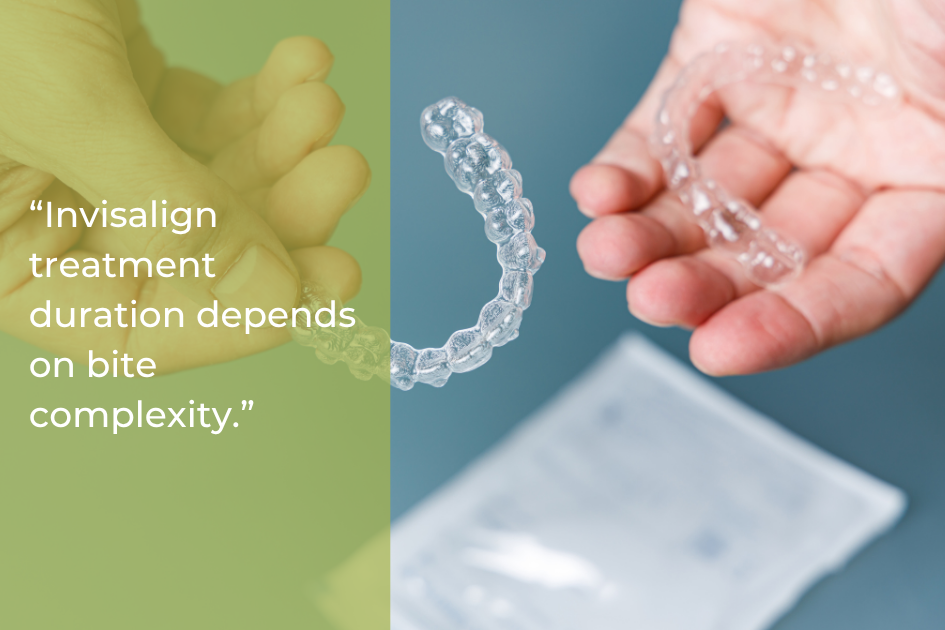
After we’ve set expectations for normal tray-change soreness, we focus on daily habits that keep your aligners clear and your teeth and gums healthy throughout treatment. Consistent Aligner care and Oral hygiene reduce plaque, odor, and enamel risk. We’ll help you build a simple Daily routine and follow evidence-based Treatment tips and Maintenance advice.
- Brush and floss before reinserting trays, so you feel confident up close.
- Rinse aligners with cool water and gently brush them, keeping them crystal-clear.
- Skip hot water, which can warp trays and derail progress you’re proud of.
- Remove aligners for anything but water, protecting teeth from hidden sugars and acids.
- Store trays in their case, preventing loss and the panic of a missing set.
Invisalign FAQs: Patients in Cedar Park Ask Most
You’ll also ask about Invisalign benefits like removable trays, easier hygiene, and fewer dietary limits, balanced with lifestyle adjustments such as 20–22 hours of wear and consistent cleaning. We review treatment costs up front, including what insurance may cover and options for monthly payments. Patient testimonials frequently highlight comfort and predictable progress when wear time stays high. If bite changes lag, we’ll plan refinements to finish precisely.
Conclusion
We’ve walked through how Invisalign works, who it helps, and what to expect at Park Family Dental. Like a compass that keeps a steady bearing, your aligners guide teeth with controlled, incremental force, and our check-ins confirm you’re on track. Day to day, we’ll rely on consistent wear, smart hygiene, and simple routines. Some pressure is normal, but it should fade. Stay the course, and your smile can arrive straighter and healthier.
Ready to see if Invisalign is right for you? Schedule an Invisalign consultation at Park Family Dental in Cedar Park today, and let’s map out a personalized plan for your best smile.