You’ve probably heard the stories. A friend who looked like a chipmunk for a week, a sibling who survived on mashed potatoes and ice cream, or someone who insists wisdom teeth removal was the worst experience of their life. It’s no surprise that many people feel nervous when they’re told their wisdom teeth need to come out. The reality is that modern wisdom teeth removal is very different from the stories many people have heard. Advances in surgical techniques, digital imaging, and IV sedation have made the procedure more comfortable and predictable than ever before. Understanding why wisdom teeth can become problematic and what today’s treatment experience looks like can help you make a more informed decision about your oral health.
Why Are Wisdom Teeth Such a Big Deal?
Wisdom teeth, also known as third molars, are the last permanent teeth to develop, typically emerging between the ages of 17 and 25. While some people have enough room for them to come in normally, many do not. As a result, wisdom teeth can become impacted, partially erupt, or grow at awkward angles. These issues can affect both comfort and long-term oral health, even when symptoms are not immediately obvious.
The Last Teeth to Arrive
As the last set of molars to emerge, wisdom teeth often create concerns when there isn’t enough room for them to come in properly. In some cases, they may become impacted, grow at an angle, or contribute to crowding. Because every mouth is different, dental exams and imaging help determine whether wisdom teeth are developing normally or if treatment may be recommended. Understanding how these teeth affect oral health can help patients make informed decisions about their care.
When Wisdom Teeth Cause Problems
When wisdom teeth don’t have enough room to erupt properly, they can create several oral health concerns. Impacted or partially erupted teeth may trap food and bacteria, increasing the risk of infection and gum inflammation. They can also place pressure on neighboring teeth, leading to discomfort or crowding. Because these issues often develop gradually, early evaluation can help identify potential problems before they become more serious.
The Surprising Part: Not Everyone Has Symptoms
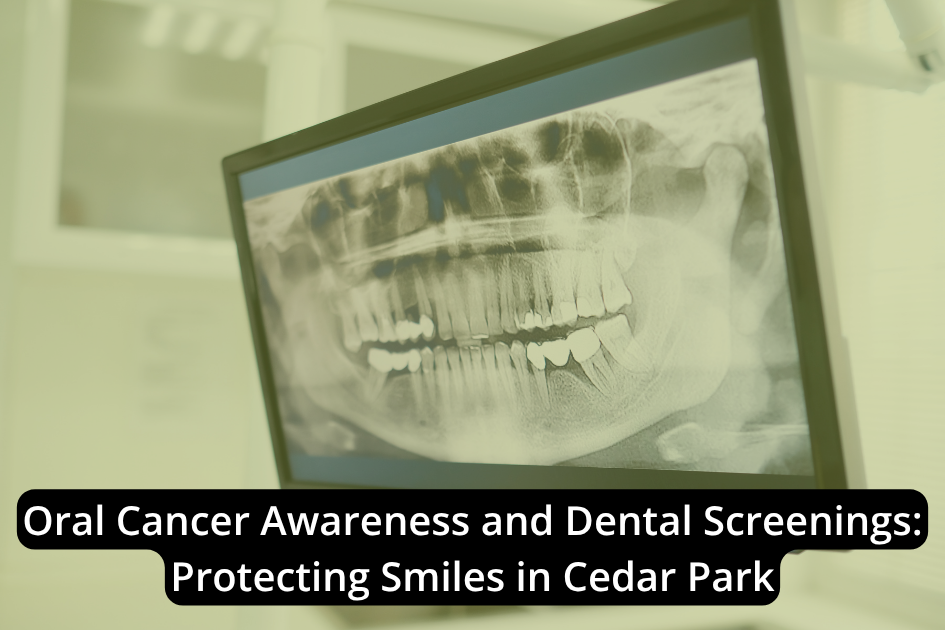
One of the biggest misconceptions about wisdom teeth is that pain is always the first sign of a problem. In reality, many people have impacted or poorly positioned wisdom teeth without experiencing any noticeable discomfort. Dental X-rays often reveal concerns long before symptoms appear, which is why regular evaluations are important. Monitoring wisdom teeth early allows patients to make informed decisions before hidden issues become more difficult to treat.
The Fear Factor: Why So Many People Put Off Wisdom Teeth Removal
Many people delay wisdom teeth removal because they feel anxious about the procedure. Stories from friends and family, concerns about pain, and uncertainty about recovery can make treatment seem more intimidating than it actually is. While these fears are completely understandable, modern techniques and sedation options have made wisdom teeth removal far more comfortable than many people expect. Understanding the facts can help patients feel more confident about making decisions for their oral health.
Stories From Friends and Family
When wisdom teeth removal comes up in conversation, there’s usually someone with a dramatic story to share. While these experiences can leave a lasting impression, they don’t always reflect what patients experience today. Advances in technology, surgical techniques, and sedation have significantly improved the patient experience. Rather than relying on secondhand stories, it’s best to discuss concerns with a dental professional who can provide accurate information based on your individual situation.
Fear of Pain, Needles, and Surgery
Fear of pain is one of the most common reasons people avoid wisdom teeth removal. Many patients worry about feeling discomfort during the procedure or being anxious throughout treatment. Fortunately, modern anesthesia and IV sedation help patients remain comfortable and relaxed while their wisdom teeth are removed. Understanding how these options work can often ease concerns and make the idea of treatment feel much less overwhelming.
Why Waiting Can Sometimes Make Things More Complicated
Waiting until wisdom teeth begin causing pain isn’t always the best approach. Impacted teeth can create problems long before symptoms appear, including infection, crowding, and damage to neighboring teeth. In many cases, addressing wisdom teeth earlier can make treatment and recovery easier. An evaluation can help determine whether your wisdom teeth should simply be monitored or if proactive treatment is recommended.
What IV Sedation Is Really Like
One of the biggest reasons patients feel more comfortable about wisdom teeth removal today is IV sedation. Rather than focusing on the procedure itself, patients enter a deeply relaxed state that helps reduce anxiety and discomfort. Most people remember very little about the extraction, making the experience feel much easier than they expected. For many patients, IV sedation turns a stressful procedure into a calm and manageable experience.
You’re Not Fully “Asleep,” But You Won’t Be Focused on the Procedure
Many people assume IV sedation means being completely unconscious, but that’s not always the case. Instead, it creates a state of deep relaxation where you’re less aware of what’s happening around you. While you won’t be fully asleep, you’ll feel comfortable and at ease throughout the procedure. This allows the dental team to perform the extraction while helping you remain calm and stress-free.
What Patients Typically Remember
One of the most common things patients say after wisdom teeth removal is, “We’re already done?” Because IV sedation affects awareness and memory, many people remember very little about the procedure itself. Most recall arriving for treatment and then waking up in recovery, often surprised by how quickly the experience seemed to pass. This is one of the reasons IV sedation is so popular among patients who feel nervous about oral surgery.
How IV Sedation Helps Create a More Comfortable Experience
IV sedation helps patients feel relaxed before, during, and after the procedure. Reducing anxiety and limiting awareness of the surgical environment, it creates a more positive experience for many people. Patients often feel more comfortable moving forward with treatment when they know sedation is available. For those who have dental anxiety, IV sedation can make wisdom teeth removal feel far less intimidating than they imagined.
What Happens on the Day of Wisdom Teeth Removal?
Knowing what to expect can help ease many of the concerns patients have before treatment. Wisdom teeth removal follows a carefully planned process designed to prioritize safety, comfort, and predictable results. From the initial preparation to recovery, every step is focused on making the experience as smooth and stress-free as possible.
Before the Procedure
Before the procedure begins, your dental team will review your medical history, imaging, and treatment plan to ensure everything is in place for a successful extraction. You’ll receive instructions regarding eating, drinking, medications, and transportation arrangements if sedation is being used. This is also the perfect time to ask questions and discuss any concerns you may have. Taking these steps beforehand helps patients feel more prepared and confident on the day of treatment.
During the Extraction
Once you’re comfortable and the anesthesia or sedation has taken effect, the extraction process begins. Your oral surgeon will carefully remove the wisdom teeth using techniques designed to minimize discomfort and protect surrounding tissues. The procedure itself is often quicker than many patients expect, and most people remain relaxed throughout the experience. The focus is always on ensuring treatment is completed safely and comfortably.
Immediately After Surgery
After the procedure, you’ll spend a short time recovering while your dental team monitors you and reviews your aftercare instructions. Some swelling and mild discomfort are normal, but these symptoms can usually be managed with prescribed medications, ice packs, and rest. If you’ve received sedation, you’ll need someone to drive you home and stay with you for the remainder of the day. Following your recovery instructions carefully can help promote healing and reduce the risk of complications.
Recovery: What Most People Are Surprised to Learn
Recovery is often one of the biggest concerns patients have before wisdom teeth removal, but many find the healing process easier than they expected. Knowing what to expect during the first few days can help reduce stress and make recovery more comfortable. By following your oral surgeon’s instructions and giving your body time to heal, you can support a smoother recovery and get back to your normal routine sooner.
The First 24 Hours
The first day after wisdom teeth removal is usually focused on rest and healing. Some swelling, mild discomfort, and tenderness are normal, but these symptoms can often be managed with ice packs, prescribed medications, and plenty of rest. Staying hydrated and avoiding strenuous activity can also help support the healing process. Following your post-operative instructions closely during this period can make a significant difference in your overall recovery experience.
What to Eat After Wisdom Teeth Removal
Choosing the right foods after wisdom teeth removal can help you stay comfortable while your mouth heals. Soft foods such as yogurt, smoothies, applesauce, mashed potatoes, and scrambled eggs are popular choices because they are easy to eat and gentle on the extraction sites. It’s best to avoid hard, crunchy, spicy, or chewy foods that could irritate the area or interfere with healing. Staying hydrated is equally important, so be sure to drink plenty of fluids throughout your recovery.
Returning to School, Work, and Normal Activities
Many patients are surprised by how quickly they begin feeling better after wisdom teeth removal. While everyone heals at a different pace, most people can gradually return to school, work, and other daily activities within a few days. It’s important to listen to your body and avoid rushing back into strenuous exercise or demanding routines too soon. Giving yourself adequate rest and following your recovery instructions can help ensure a smoother transition back to normal activities.
Common Wisdom Teeth Removal Myths
Misinformation about wisdom teeth removal can make the procedure seem much more intimidating than it really is. From concerns about pain to misconceptions about recovery, many patients delay treatment based on outdated information or stories they’ve heard from others. Understanding the facts can help you feel more confident and make informed decisions about your oral health.
“It’s Extremely Painful”
One of the most common myths about wisdom teeth removal is that the procedure itself is extremely painful. In reality, modern anesthesia and IV sedation help keep patients comfortable throughout treatment. While some soreness and swelling are normal during recovery, discomfort is typically manageable with prescribed medications and proper aftercare. Most patients find the experience far easier than they anticipated.
“I Can Wait Until They Start Hurting”
Many people assume wisdom teeth only need attention once they become painful, but that’s not always the case. Impacted or poorly positioned wisdom teeth can cause problems long before symptoms appear, including infection, crowding, and damage to neighboring teeth. Regular evaluations and imaging can help identify these concerns early, allowing patients to address issues before they become more complicated.
“Recovery Takes Weeks”
Recovery is often quicker than people expect. While complete healing takes time, many patients begin feeling significantly better within a few days and can return to school, work, or other daily activities shortly afterward. Following post-operative instructions, getting adequate rest, and maintaining a soft-food diet can help support a smoother recovery.
“IV Sedation Is Unsafe”
IV sedation is a widely used option that helps many patients feel relaxed and comfortable during wisdom teeth removal. When administered by trained professionals, it is considered both safe and effective. Patients are carefully monitored throughout the procedure, and sedation levels are tailored to their individual needs. For those who feel anxious about oral surgery, IV sedation can make the experience much less stressful.
When Should You Schedule a Wisdom Teeth Evaluation?
Knowing when to schedule a wisdom teeth evaluation can help prevent small issues from becoming larger problems. While some people experience obvious symptoms, others may have impacted or poorly positioned wisdom teeth without realizing it. Regular dental exams and imaging can help identify concerns early, allowing you to make informed decisions about your oral health before complications develop.
Signs You Shouldn’t Ignore
Certain symptoms may indicate that your wisdom teeth need professional attention. Persistent pain, swelling, tenderness around the back of the mouth, or difficulty opening your jaw comfortably should not be ignored. Food frequently getting trapped around partially erupted wisdom teeth can also increase the risk of infection and decay. If you’re experiencing any of these issues, scheduling an evaluation can help determine the cause and the most appropriate treatment plan.
Why Preventive Evaluations Matter
Not all wisdom teeth problems cause immediate symptoms, which is why preventive evaluations are so important. During the late teen and early adult years, dental imaging can reveal whether wisdom teeth are impacted, misaligned, or likely to create issues in the future. Identifying concerns early may help prevent infection, crowding, and damage to neighboring teeth. Even if your wisdom teeth aren’t currently causing discomfort, an evaluation can provide valuable insight into your long-term oral health.
A Comfortable Wisdom Teeth Removal Experience in Cedar Park, TX
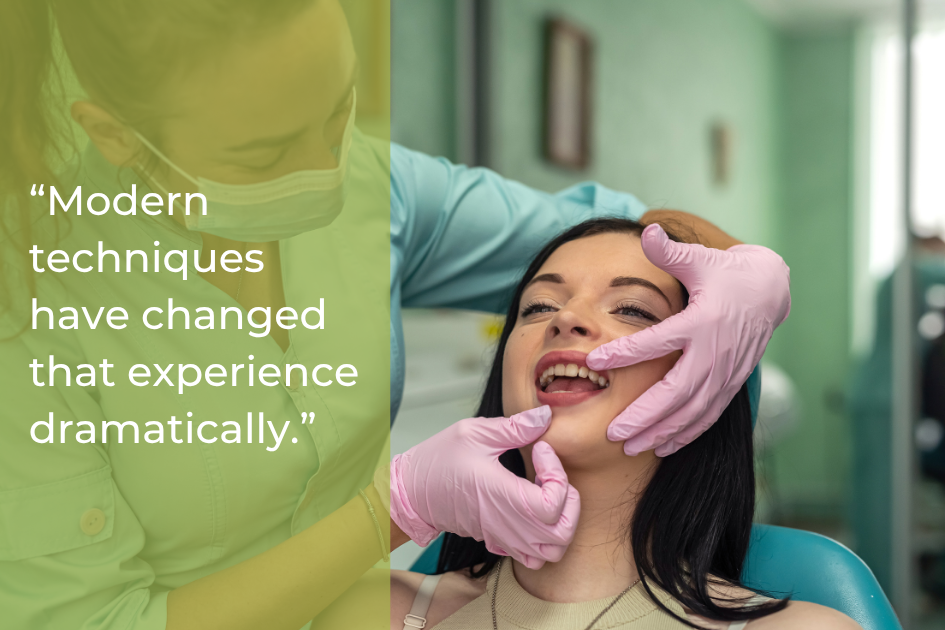
Wisdom teeth removal has a reputation for being one of the most intimidating dental procedures, but modern techniques have changed that experience dramatically. With advanced imaging, experienced surgical care, and IV sedation, today’s extractions are often far more comfortable than most patients expect. The key takeaway is that wisdom teeth do not always cause obvious symptoms, and waiting for pain to appear can sometimes allow hidden problems to progress and become more difficult to treat.
By scheduling an evaluation early, you can better understand your options and make informed decisions about your oral health. Whether you’re experiencing discomfort, swelling, crowding, or simply want peace of mind, a professional assessment can help determine the best path forward.
At Park Family Dental in Cedar Park, TX, Dr. Daniel Ormeni and the team are committed to providing gentle, patient-focused wisdom teeth removal with IV sedation options designed to help patients feel comfortable every step of the way. If you have questions about your wisdom teeth or would like to schedule a consultation, contact Park Family Dental today to learn more about your treatment options.